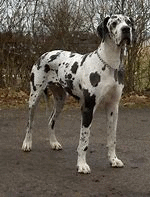
 Dogs are wonderful companions. Bringing a dog into your home can be exciting. But before you make that bold decision, you have to ensure that you are ready to take care of him.
If you neglect your pet dog, he’ll become sick or worse he will die. Therefore it is important that you handle both his emotional and physical needs.
Unfortunately, when buying your dog, it doesn’t come with a manual to explain every behavior and action.
So it is your responsibility to find ways to keep your pet safe, entertained and healthy. If you are taking care of a dog for the first time, here are some useful tips for you.
- Contents show
Understand the Needs of a Dog
Dogs, just like any other pet come with a set of their own unique needs. If you are aware of the basic dog care routines, it would be easy for you to handle your pet.
Dogs need proper nutrition, shelter, social interaction and to be cared for physically. Preparing to welcome your dog in advance will make it much easier to give him a fantastic stay at your home.
Find a Good Vet
You need to take your companion to a vet regularly. Veterinarians help to look out for the dog’s health. They’ll also educate you on how to go about guarding your dog.
And vets also guide dog owners through the ownership. It is therefore crucial that you find a credible and trustworthy veterinarian for your pet.
Feed Your Pet Only High-Quality Dog Food
Some foods sold in the market are of low quality and may even harm your furry friend. It is essential that before buying dog food, you check to determine the ingredients.
Ensure that for starters the food is some kind of meat and not a meat by-product or grains. You can also ask your vet for some recommendations on where to buy the best dog food.
Have a Regular Feeding Schedule
Experts mostly advise that you feed your dog twice a day. Since most dog food packages have the correct amount of food, yours will just be to divide the food into two.
Your pet should eat the first half in the morning and the other in the evening. If you have an eating routine, it will be easy for you to house train your dog.
Buy in Advance the Necessary Pet Supplies
Before taking your new pet at home make sure you pass at the pet store. Some of the things that every dog owner must have included a leash, a collar, Dog bedding, Identification tags, dog waste bags (preferably disposable ones) and some dog toys to mention but a few.
These five tips will be useful when taking care of your dog for the first time. But remember to exercise patience with your new pooch.
It is not always easy to adjust to a new environment. Your dog will need some time. So, be calm and consistent, and with time, he will learn through your help to adjust in his forever home.
Basic Health Information for Pet Dogs
This will give you valuable basic information about your dog health. By reading this article, you should be able to know more about your dog health and how to protect it from some basic sicknesses.
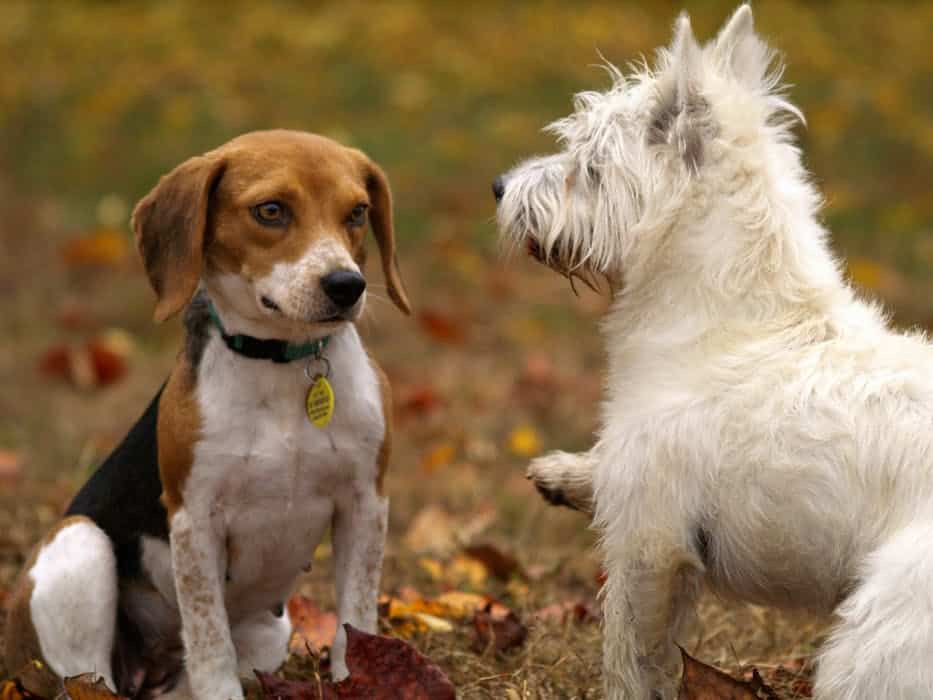
Sadly the way most people determine if their dog is sick or healthy is solely by its “shiny coat” or lack thereof.
Even a veterinarian cannot simply look at a dog and make claims to its health.
Here are the proper methods for determining canine health.
Normal Health
A dog’s normal rectal temperature is between 100 and 102.5 degrees Fahrenheit.
If taken in the ear the normal temperature is between 100 and 103 degrees.
If a dogs temperature is lower than 99 degrees, or over 104 degrees, a veterinarian should be contacted.
Heart rate may be hard to determine, but pups and small dogs have faster heart rates, about 125 – 160 beats per minute.
Larger dogs, or older dogs, have heart rates between 60 and 125 beats per minute.
Most resting dogs take between 10 and 30 breaths a minute, a dog who is panting, of course, takes many more breaths, up to 200 per minute.
Another easy check an owner can do is to look at their dog’s gums.
This only works if the dog has pink gums, as opposed to colored gums.
Pale, yellow, or blue, gums are a sign of problems.
You can also push down on the gums for a second, then release.
The gums should return to their pink color in a couple of seconds, failure to do so indicates the dog is in distress.
You can also gently pinch your dog’s skin on its paw or leg, the skin should return to normal immediately.
Rather than remaining in the pinched form, which would indicate a problem, note though.
That older dogs have less elastic skin so it would not return to normal as quick.
Normal for your Dog
Get to know your dogs’ normal stool (poop) pattern.
Some dogs only defecate once a day, particularly if they are eating high-quality food.
Puppies and old dogs may have less control of their bowels and may mess more.
Diarrhea can be a sign of problems, illness or parasites.
Bloody or excessively foul-smelling diarrhea should not be ignored.
Most dogs urinate first thing in the morning and 3-6 times throughout the day, again more for pups.
If your dog is urinating more it could be a sign of problems, such as an infection.
If your house-trained dog suddenly starts “forgetting” their training, it can be a medical issue.
Get to know your dogs’ usual sleep pattern, anything out of the ordinary should be noted. Especially if your dog seems more lethargic than usual.
Warning Signs
Bad breath can be an indication of internal problems or bad teeth.
Excessive gas is not normal and can be a sign of health problems, or low-quality food.
Cloudiness of the eyes should never be ignored.
Itchy skin could mean fleas, lice, ticks, or food allergies.
Typically causes of food allergies are beef, pork, soy, wheat, and corn, ingredients in some dog foods.
Hair loss may be a sign of poor health, allergies, or mites (mange).
Obesity is a problem, but can also spin into other problems, or be a symptom of problems, so should never be overlooked.
Shallow breathing or heavy breathing without reason may be signs of problems.
Sudden aggression can indicate the dog is in distress.
Rabies is another thing an owner should consider if their dog should bite them or behave erratically,
NOTE: If an unvaccinated dog bites anyone it should be placed on a rabies hold.
Smelly ears can be a sign of ear infection, food allergies, or health issues.
Vomiting is a sign of an immediate problem if there is blood the situation is urgent.
Self Help for a Sick Dog
A lot of harm can be done in the name of trying to do the right thing.
If you do not know what the right thing to do is, call a professional.
Most veterinarians have 24-hour emergency services.
While care in the middle of the night might be more expensive.
It is purely a part of being a good owner to provide your dog with proper care when needed.
Most over the counter medicines, such as worming products, are not very effective.
Worming products do not kill all types of worms and without knowing what kind of worms your dog has.
Why waste money buying a product that may not help? Do not treat the dog for anything, until you know what is wrong.
Provide the dog with water, keep it comfortable until you can get to the vet.
If the dog is vomiting do not offer food unless instructed by a veterinarian. Monitor symptoms to let the vet know. Get a stool sample.
Preventative Medicine
Dogs who receive regular vaccinations may still get sick but the vaccinations often lower the level of severity.
Moreover, dogs should be dewormed regularly.
Dogs who are spayed or neutered have fewer risks of some health problems.
Dogs should receive regular veterinary check-ups, once a year.
Especially if they are over six years of age for large dogs, over ten years of age for small ones.
Feeding good food may be one of the best things you can do for your pet, to determine if your dog is on good, safe food.
Note some breeds are more prone to some problems you should be aware of what problems your dog is most likely to encounter.
Also if you got your dog from a reputable breeder they should contact if you ever have a genetic problem occur in your dog.
Real Help
If you cannot be 100% sure of your pet’s health, it should be taken to a veterinarian.
Other Related Link