Some basics techniques that you can follow How to get Pet Birds NOT to Bite You.
Pet birds sometimes get into the habit of biting. However, not all use of their mouth is biting.
So an owner should be aware of just what constitutes a ‘bite’ and what does not.
Difference Between Bite And Not Bite.
For example, birds often test things with their mouth, as such if a person offers their finger for a bird to step onto.
And the unfamiliar bird will test to make sure you are not going to pull away.
Or that the branch (your finger) is stable enough to step on. Punishing a bird for this is not correct. As this is not technically a bite.
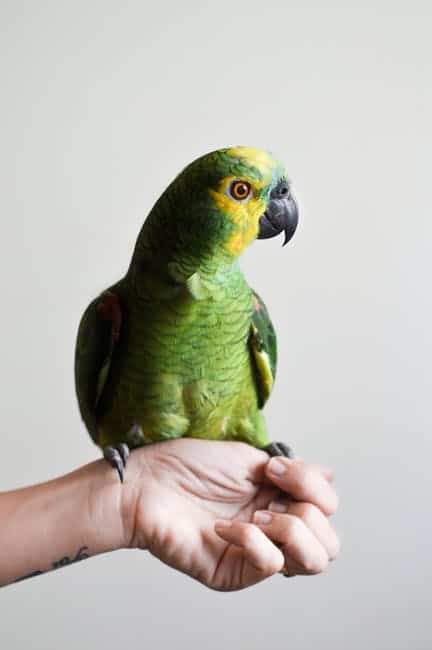
Biting can be a form of aggression, a bad behavior, or the result of boredom in intelligent birds.
For example, a smart bird, who is bored will quickly learn. That they get a very interesting response from you when they bite you.
Even if your response is to yell at the bird and shake its cage, to the bird.
The response is interesting, and it finds it entertaining. The birds in the picture are being curious, they are not biting.
The main reason a bird learned to bite is that it has learned that when it bites, you react.
The first time a bird tries to step onto your finger, it is testing to make sure you will not pull back.
If you get nervous and do pull back, you are actually training the bird to bite.
Make sure your bird has a sufficient amount of entertaining toys without overcrowding its cage.
Typically many owners keep their birds in cages far too small to satisfy them physically.
As many birds would better suit for large room-sized aviaries rather than tabletop size cages.
This most definitely contributes to stress in birds, which often manifests in negative behavior such as biting, feather pulling.
Just as with other pets, you can move your birds’ toys around or switch off new toys for old.
You can also move the cage around, allowing views out different windows.
Allow your bird sufficient time out of the cage and spend time with it. With proper mental stimulation.
There is no reason why a bird should be a biter.
Many times owners actually train their birds to bite by not discouraging nibbling when the bird is young.
What is cute at one stage of development will not be so cute later on.
If you have a young bird, from a good breeder, biting should not even be an issue.
If you handle it correctly and meet its needs for mental stimulation.
However, if you have purchased an older bird or one from a pet store. Who is a biter?
Or you h inadvertently got your bird into the habit of biting, you need to break it of the habit.
The first step is to eliminate the temptation for a bird to bite.
Do not stick your finger into the cage.
Do not give it treats through the bars of the cage with your fingers.
Rather than offering it a finger to step on (or bite) offer it the flatter back of your hand.
Or use gloves so you do not get hurt and pull away. Thus making it a game for the bird.
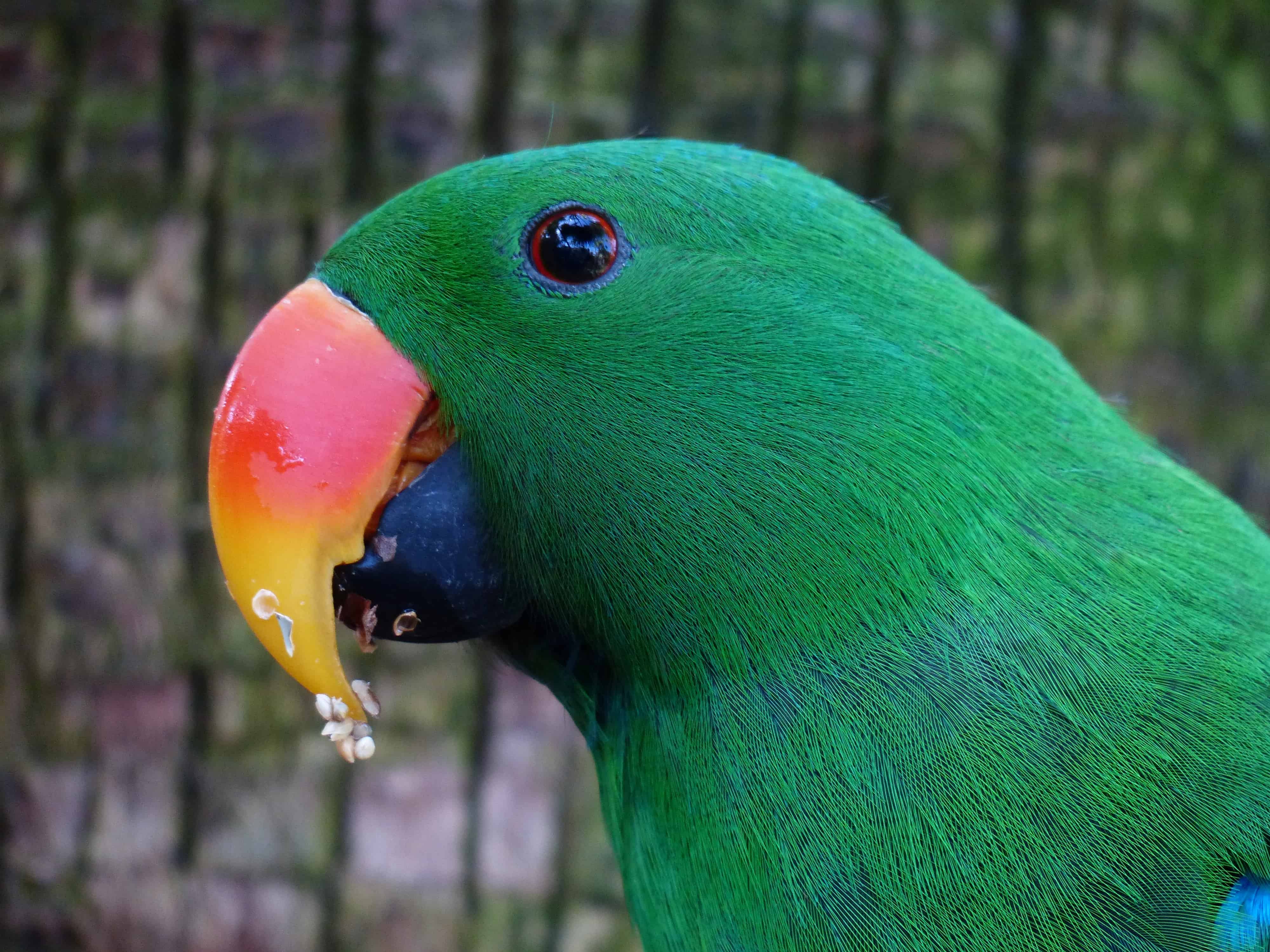
When you are working with a bird who really bites always have a small water spray bottle in hand.
And plan on having fast reflexes, so that the second the bird bites you. You can also give it a squirt with the water bottle.
This should alarm it enough so it lets go, without actually harming the bird itself.
Just be aware that some birds enjoy being squirted with water. Do not entertain them by spraying them at all.
At this point, walk away from the bird. Ignore it. Birds, like dogs, hate being ignored.
After a short while, resume playing with the bird and giving it attention.
Every time it bites, spray it and walk away without saying anything.
Give treats when it is good, talk about it and so forth. Remember, to a bird (as with dogs) yelling is communication.
And communication is a reward, even if it was intended as a negative.
If the bird is one that enjoys being sprayed with water. And many do, then skip this step and simply walk away.
Be aware that biting and aggressive behaviors in roosters are somewhat different.
A rooster is generally acting as a guard animal for his hens. And even if he has none, some aggression is natural. Although it should not be encouraged.
Stand your ground to an aggressive rooster. Biting, and being aggressive is not normal.
Or acceptable behavior in caged birds, for which this article is about it.
If your bird is biting itself, this may be a sign of stress, poor nutrition, or mites.
Have a veterinarian or knowledgeable bird person examine it for you.