Magnetic cat flap training
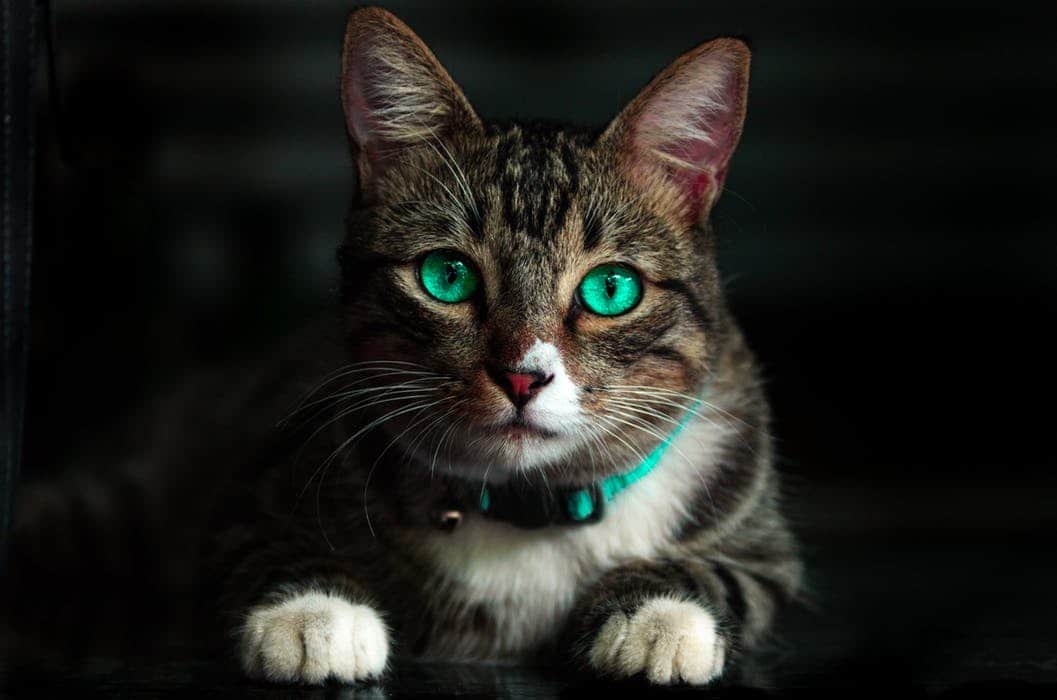 The cat flap is a beautiful invention. Your cat is allowed to enter and leave various rooms in the house where he is allowed access without allowing access to places outside the border.
It can also allow access to the outside so that Kitty can go to his private corner in the garden to do his work.
But what if a cat from a poorly trained neighbor entered the house or was a small dog following Kitty at home? Today, you can protect your home and pet through a magnetic cat flap.
The magnetic cat flap uses a powerful magnet to lock the lid in place when the cat does not enter or exit it.
These magnets are strong enough to prevent the full-grown human from being able to open the flap without the appropriate magnetic key, which can be added to the cat collar without any problem.
When a magnetic cat is in place, the cat can enter and exit as desired because the magnetic key in the ring deactivates magnetic locks.
Neighbors will not be able to come, even if they follow the cat because the locks will pull the lid closed just behind the animal and before another creature can enter.
This factor will protect the home from invasion by neighboring animals that can destroy things or make a mess at home. Also, it protects the cat in case it is chased back to the house by another animal.
Unlike conventional cat litter panels and dog doors that burglars can use to get into the house, a magnetic cat flap protects against this possibility as well.
The only way the lid will open is if the cat approaches the magnetic key, which is unlikely if there is a stranger outside.
This means that the thieves will not be able to use the pet entrance as a means of getting tools inside the house that allows them to circumvent locks and unlock doors.
There are many different levels of security provided by cat paintings. Provides the safest and most expensive four-point security lock.
This means that four separate magnets hold the blackboard in place until the magnetic key on the pet collar deactivates.
Cheaper units can come with a few magnetic locks and one. This is not as safe as a four-point lock, but it is still almost infinitely better than a pet flap that does not contain the security features included in it.
It is up to the homeowner to determine the safety of the magnetic cat flap which must depend on the value of the cat and the contents of the home.
One thing is for sure: a magnetic cat flap can provide a great deal of protection for both home and pets.
How to Teach a Cat to Use a Pet Door will give you a valuable lesson to teach your cat.

Pet doors are great additions to any home that has a pet.
You can use them to allow your pet to go in and out of your home or in and out of certain rooms of your home.
Such as a sunroom or utility room. With a pet door, your pet can come and go as it pleases without you having to constantly open the door for it.
So not only is Fluffy happy, but you are as well. Pet doors are ideal for both cats and dogs.
But especially cats because you can place a pet door into the entry to the room.
Where you quarantine your cat’s litter box to help reduce the smell from permeating your home.
Dogs, however, (in most cases) seem to catch on to the idea of a pet door more readily than cats. Who can be more difficult to train?
With the appropriate technique, though, you can teach your cat to use a pet door.
Step 1
Show your cat the pet door. Hold your cat and pet it while you walk towards the pet door and sit down before it.
If your cat seems curious and begins to sniff at the door, let it do so, for this is normal.
Step 2
Push open the pet door to show your cat how the door works.
Stick your hand all the way through the door to show it how the door opens up.
Step 3
Put your cat down before the door and gently push your cat’s paw against the door to cause it to open the door itself.
Release its paw and let it investigate by sniffing the door some more if it wants.
Step 4
Push your cat gently through the pet door, but do not force it.
If your cat acts frightened of the door or buckles down, do not force it to go through it.
Step 5
Go on the other side of the door from your cat, sit down before the pet door.
Where your cat can see you and call your cat to see if it will come through the door.
Bribe your cat with a treat if you must by shaking its treat bag before the door to get it to figure out how to come through.
Step 6
After initially executing these steps of teaching your cat to use the pet door.
Simply leave your cat alone to go through the door on its own time.
It will investigate the door more and go through it when it wants something that is in the room beyond bad enough.
Tips
Place a treat just beyond the cat door and leave your cat to find a way to get to the treat.
In most cases, your cat will figure out that it can push through the door to get to the treat.
Warnings
Beware of forcing your cat to go through the pet door too soon because this could damage your purpose.
If your cat becomes frightened of the pet door (as some cats do when something new is encountered).
Then you might have more trouble ever getting it to go through it again.
Beware of letting the pet door swing back and forth loudly when first showing it to your cat.
For this could incite fear in some finicky or skittish cats.
Do not place something like your cat’s food. Water or litter box in the room beyond the door until you are sure that your cat knows how to use the pet door.
Otherwise, your cat might go hungry or have an accident on your floor.