Many of these plants are in households now or will be sometime in the future. Just because they are on this list doesn’t mean you should get rid of them.
Most of these plants must be ingested to cause problems, but as we all know our pets’ behavior can be unpredictable.
Whether you remove these plants from your home and yard are up to you, but watch your pets around them. Be especially diligent about cleaning up any plant debris like fallen leaves, flowers or trimmings.
We have all read the advice which is often promoted by veterinarians and pet food manufacturers.
Don’t give anything but pet food to your pets they will tell you. You fed your dog or cat whatever was available in leftovers and got free stuff such as heart, kidneys, liver and other waste from the butcher.
Not much of that stuff was sold back then, and the butcher was glad to have you take it away. A big knuckle bone was always free also.
Strangely even though they got no “pet food” the animals were just as healthy as they are today. So the advice may be a bit self-serving from those who make money from selling pet food. Nevertheless, there are things which are bad for your dog or cat.
(1.) Small bones especially those that are brittle, and can splinter, such as chicken bones are hazardous. They can cause choking or damage from the sharp splinters. Avoid them and feed only large bones which do not splinter.
(2.) Anything which contains caffeine, chocolate or alcohol. These items can cause, tremors, seizures, and even death. We all know of the time the dog ate a box of chocolates with no harmful effect so this is only something to avoid not a specific poison in every case.
(3.) Grapes and raisins. These seem to affect only certain dogs negatively, and yours may happily eat them with no ill effect. Again however best to avoid them as they are possibly toxic to some animals at least.
(4.) Uncooked dough with yeast content. This may swell in the animal’s stomach and cause possible damage.
(5.) Very fatty or salty foods. Dogs need a certain amount of fat in their diet. However excessive fat can cause digestive problems, upset stomach and possibly pancreatitis. Excessive salt in your pet’s food can cause stomach upset, diarrhea and vomiting.
(6.) Onions and garlic. Both dogs and cats are susceptible to harm from these items. A small amount of food will probably not cause problems, but larger quantities can cause intestinal irritation. It is best not to give anything more than minor amounts of these in food and avoid them altogether whenever possible.
Commercial dog and cat foods do not contain any of these substances and are generally safe to feed to your pets.
There have been recent cases however where pets have been poisoned by foreign substances in pet foods.
The obvious point is that supervision of your pet’s diet is vital. Do not feed any of the known problem foods listed above and if your pet consumes some of them watch him/her carefully for signs of problems. If the pet should appear ill or upset, get it to the veterinarians’ office right away.
Protecting Dogs And Cats From Pet Poisons
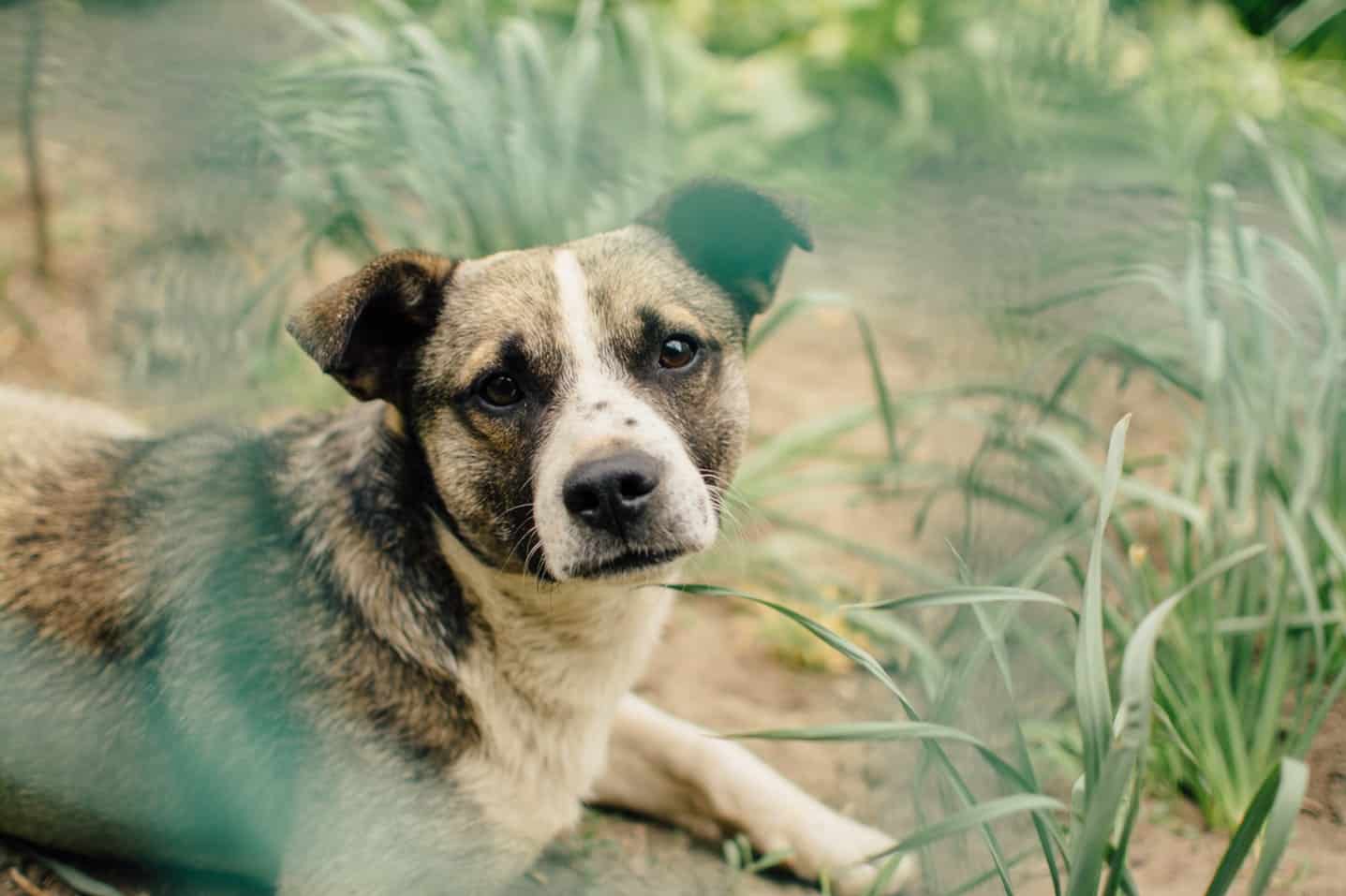
Simple Tips for Avoiding Poisonings in Animals
Pet poisoning can be a serious health threat for the animal involved and a stressful, heart-breaking situation for the pet owner.
However, there are precautions which pet owners can take to help avoid pet poisonings.
Store Medications in a Secure Location to Avoid Pet Poisoning
Many human medications can be toxic to pets when ingested.
Some human medications are more dangerous than others.
Moreover, but pet owners should be careful to avoid exposure of their pets to any human medications, regardless of.
Whether the medications are prescription drugs or drugs which are available over the counter.
You should store medications in a medicine chest, cupboard, drawer or other secure location.
This will help you to avoid accidental ingestion of medications by pets.
Pet owners should also use caution when handling medications.
Pets, particularly dogs, usually ingest any pills or other medications dropped on the floor quickly.
Furthermore, store all Chemicals and Cleaning Supplies in a Secure Location to Avoid Poisoning of Pets
Ingestion of chemicals and other supplies are frequent causes of toxicities in pets.
Commonly encountered toxins include:
cleaning supplies (ammonia, bleach, disinfectants, detergents etc)
rodenticides
fertilizers and other lawn chemicals
antifreeze
paint thinners
drain cleaners
pool/spa cleaners and supplies
You should secure these chemicals products in a secure location to which pets have no access.
Many of these chemicals can be fatal for pets even in small quantities.
Use Pet Safe Pest Control Products and Lawn Products to Protect Pets from Toxins
Many pet-safe rat and mouse control products are available.
Other products for controlling insects and other pests are also available in pet-safe formulations.
Also, there are numerous pet-safe products which are offered for lawn care as well.
Even anti-freeze and ice melts are available as pet-safe products.
Consider replacing more traditional products with pet-safe products where possible.
Follow Directions for Using Pet Medications to Avoid Over-dosage or Pet Toxicity
Though most flea, tick and heartworm preventive medications are safe for pets.
It is important to read and follow label directions carefully when administering or applying these medications.
It is worth noting that medications used in an inappropriate fashion can become dangerous for pets.
For instance, flea medications which are formulated to be applied topically can become toxic when administered to the same pet orally.
It is also important for pet owners to realize that they should use medications as directed and only on the pets specified.
For instance, medications formulated for dogs are often not safe for cats.
Avoid Animal Exposure to Plants to Avoid Pet Poisonings
Many types of plants, both houseplants and garden plants, are toxic to pets when ingested.
Commonly encountered poisonous plants include:
rhododendrons
azaleas
lillies
sago palms
japanese yew
foxglove (digitalis)
holly
poinsettias
many others
Houseplants should be placed in an area. Where pets are unable to chew on or ingest plant leaves or flowers.
Animals allowed outside should be kept away from toxic flowers and plants located in the garden or landscape.
Poisonous House Plants and Their Associated Illness Symptoms for Pets

Potted plants are a common sight in houses and apartments everywhere.
But most pet owners are completely unaware that their plants and gardens could be a death trap for their pets.
Poisonous plants are everywhere, and the only way to keep a pet safe is to know what they are and their symptoms.
Some of the poisonous plants are:
Cyclamen – This five petal flower is usually accompanied by rounded or arrow-like leaves that can be very toxic for dogs.
The whole plant is toxic to dogs in general.
However, the most poisonous part is the roots. You may notice your dog having intestinal issues and may vomit violently.
Tulips – This spring favorite can be very dangerous for a dog.
The real threat is the bulb, which contains a toxin that will irritate a pet’s bowels.
Moreover, from the start, your pet might lose interest in his food.
This toxin could also depress your pet’s central nervous system, causing convulsions or even cardiac arrest.
Lilies – These garden staples are most toxic to cats.
Severe kidney damage is likely to result if your cat ingests its toxin, though the chemical to blame has not yet been identified.
Azaleas – Commonly found in many gardens, these plants could cause pets to go into a coma in serious cases.
Less severe poisoning will result in drooling and loss of appetite and may depress your pet’s central nervous system.
Hibiscus – This common houseplant can lead to loss of appetite, vomiting, diarrhea, and general nausea in your pet.
Autumn Crocus – The autumn crocus is a death sentence for a pet.
In addition, ingestion can lead to serious organ damage, vomiting, and diarrhea, possibly bloody, and could suppress bone marrow functions.
Chrysanthemums – These flowers are pretty popular and can be found both outdoor and indoor.
They can cause serious gastrointestinal upset, excessive drooling, and diarrhea. Occasionally, ingestion of this plant can lead to depression.
Apples and Apricots – It will be a shock to many to learn that apples can be very toxic for pets.
While the fruit itself is safe, the seeds, stems, and leaves all have a form of the poison cyanide in them.
Symptoms will include difficulty breathing, bright red mucous membranes, and shock.
More poisonous plants
Begonia – Begonias contain chemicals known as insoluble oxalates that will cause your dog or cat’s mouth to burn.
They may find it difficult to swallow their food.
Yucca – Popular in a desert climate, this plant can cause serious bouts of vomiting and diarrhea.
Luckily, the plant has sharp thorns that keep most pets away.
Chamomile – This plant is commonly cultivated for teas or as a calming agent for humans.
However, it is dangerous for your pet. Simply brushing against it will give your dog dermatitis and ingestion.
This can lead to anorexia, vomiting, diarrhea, and bleeding.
Avocado – Eating avocados can cause mild poisoning which leads to vomiting and diarrhea.
Garlic – If your pet eats garlic in big quantities, then it might be time to head for the vet’s office.
Furthermore, Garlic can eventually lead to hemolytic anemia or the breaking down of your pet’s red blood cells.
You will also notice vomiting, weakness, possibly bloody urine, and a very fast heart rate.
Burning Bush – In large enough doses, the toxin from this bush, which turns bright red.
This will cause abnormalities in heart rhythms. In small quantity, symptoms would be vomiting, diarrhea and pain in the abdominal area.
Grapefruit – The toxins of this plant, found mostly in the leaves and rind of the fruit can lead to light sensitivity, depression, and vomiting/diarrhea.
Daffodils – This common garden flower is immensely toxic to dogs and cats. Ingestion can cause diarrhea, vomiting, convulsions, arrhythmia and low blood pressure.
Common as they are, it’s very important that your pet stay away.
The above list is definitively not exhaustive and is only a collection of the common plants that are harmful to pets.
If you intend to start planting new plants in your garden.
It would be advisable to take some time to research the new plants first.
Many are mildly toxic to dogs, though some can cause serious internal damage or death.
Conclusion
In conclusion, by using these simple steps to avoid pet poisonings, pet owners can keep their dogs and cats safe from these dangerous and potentially deadly animal toxins.