Puppy training is a great way to manage the safety and well-being of young puppies. From the early years of the puppy and throughout the rest of his life, learning and training never stop.
Professional training for your puppy will teach you the playful basics, like going to potty at the right times and the correct locations as they teach public obedience.
It involves spending time with them so that they communicate together with the same lengths of fangs and connect humans differently, and works well with you and your dog by showing you both how to understand each other. Often, it is much easier than you imagine.
Professional puppy training job.
Puppies, like children, blank sheets. Many people are trying to train a puppy at home. However, if you have never taught a puppy, you do not have time to do it, or you seem to fail miserably, professional puppy training can provide your behaviors and respect the power he needs to grow into a good dog.
principles
What a professional puppy training covers depends on different things, such as what your puppy knows how he does and what he is having trouble learning. For example, a puppy who has not been appropriately trained may learn about potty in driving only.
Species
There are two main types of puppy training classes: the duration of each is different. The first is the group category. Many dog training facilities and pet shops host mass puppy, training classes.
Benefits
The direct benefits of registering a puppy in a professional puppy training are apparent: fewer mistakes are made throughout your home and fewer treadmill shoes.
If a dog does not get any training, the owner may find it easy to control the dog.
Considerations
When looking for a dog trainer, think about whether your dog will benefit more than individual or group training. Also, when choosing a coach, ask about experience, success stories, and a certified dog trainer through the Certification Board of professional dog trainers.
Puppy Socialization – Obedience Training
Puppy Socialization – Obedience Training can be difficult sometimes, but you will be able to manage it just by following some tips.
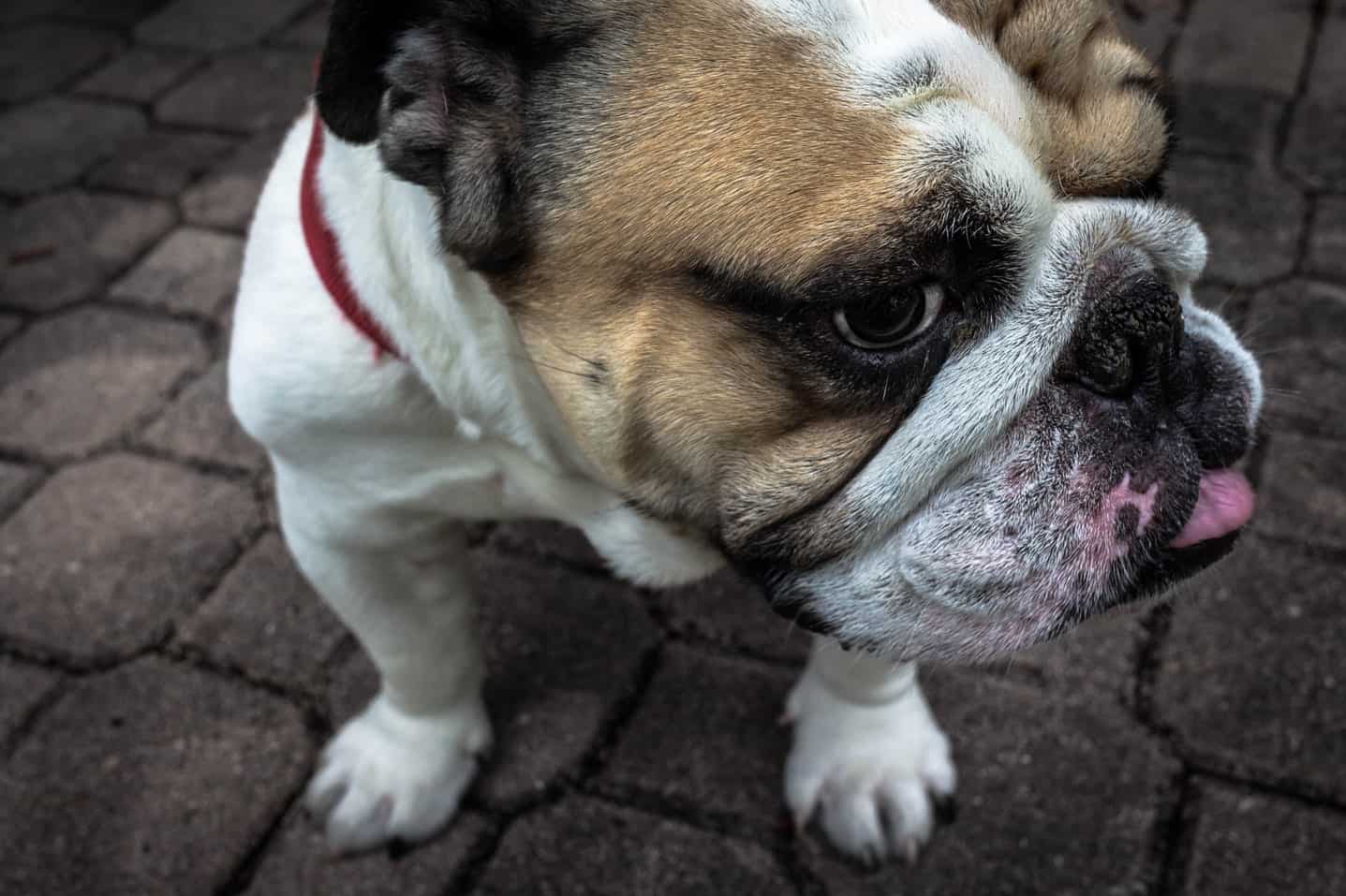
Early Socialization as an Aid in Training Puppies is not always an easy job.
All new puppy owners want their puppy to grow into a well-behaved and well-adjusted dog.
One of the best ways to ensure that this happens is to make certain that the puppy undergoes proper socialization procedures within the first three to four months of the puppy’s life.
Early Socialization is an Essential Part of Puppy Obedience Training
While obedience training is possible at any age. Socialization is the best option to accomplish early in a puppy’s life.
In these first few months, puppies are most susceptible. People treat them with extreme care and positive experiences.
Which will help to create a more confident and less fearful dog later in life?
Conversely, negative experiences during these first three to four months of age, they are likely to remember them for the rest of the puppy’s life. And create fearful and undesirable responses as an adult dog.
After three to four months of age, the puppy’s personality is more firmly imprinted and socialization becomes much less effective.
However, prior to three to four months of age, socialization can have as much impact on personality as breed and genetics.
And puppies which are well socialized early in their lives will grow into dogs which are less fearful.
More confident and better behaved than those which did not undergo socialization.
Therefore, socialization at an early age is considered to be an integral part of proper puppy care.
And puppies which are well socialized. They are also more receptive to obedience training as they tend to happier.
And better they adjusted to their surroundings with less fear of unknown situations.
Puppy Socialization Techniques
Proper puppy socialization involves exposing a puppy to as many new experiences as possible.
While still keeping the puppy safe from harm. New experiences may include:
introduction to new people
introduction to other animals
car trips
veterinary visits
being placed in new surroundings
being created or caged
Encountering Other Dogs as Part of Puppy Socialization
Puppies who are exposed to other dogs early in life are less likely to behave aggressively to other dogs once mature.
However, introducing a puppy to new animals needs to be done in such a way as to avoid exposing the puppy to infectious diseases and parasites.
Puppies should not be introduced to animals which appear to be ill and it is important that other animals.
Which puppies are introduced to be up-to-date with vaccinations and receiving appropriate parasite prevention?
Puppy kindergarten or puppy play sessions can be a great way to introduce a young puppy to other animals, particularly to other dogs.
Puppy kindergarten and puppy play sessions allow puppies and, in some cases.
Mature dogs to interact with one another and play together off leash in a controlled environment.
Encountering New People as Part of Puppy Socialization
Young puppies should be introduced to as many people as possible also.
Doing so will help avoid having the puppy grow into a dog who is fearful or aggressive toward people.
People who are strangers to the puppy should be advised to move slowly. And talk soothingly to avoid startling or frightening the puppy.
Owners of young puppies should encourage their friends and neighbors to pet and handle their puppy.
When walking in public, people encountered on the walk. This will also encourage to care for a pet and handle the puppy.
Young puppies should not, however, be taken to dog parks and other areas.
Where they are likely to encounter strange dogs or excrement from strange dogs as it is difficult to know whether these dogs are healthy.
Dog parks and similar areas should not be visited. Until the puppy is fully vaccinated and protected against infectious diseases such as parvovirus.
Young puppies, aged four months or less, can benefit greatly by proper socialization.
And puppy socialization can become an important aid in puppy obedience training.
Properly cared for puppies who have been well socialized are less fearful and more confident than those dogs. Which were not socialized as puppies?
As such, they are more easily trained and can make better pets.